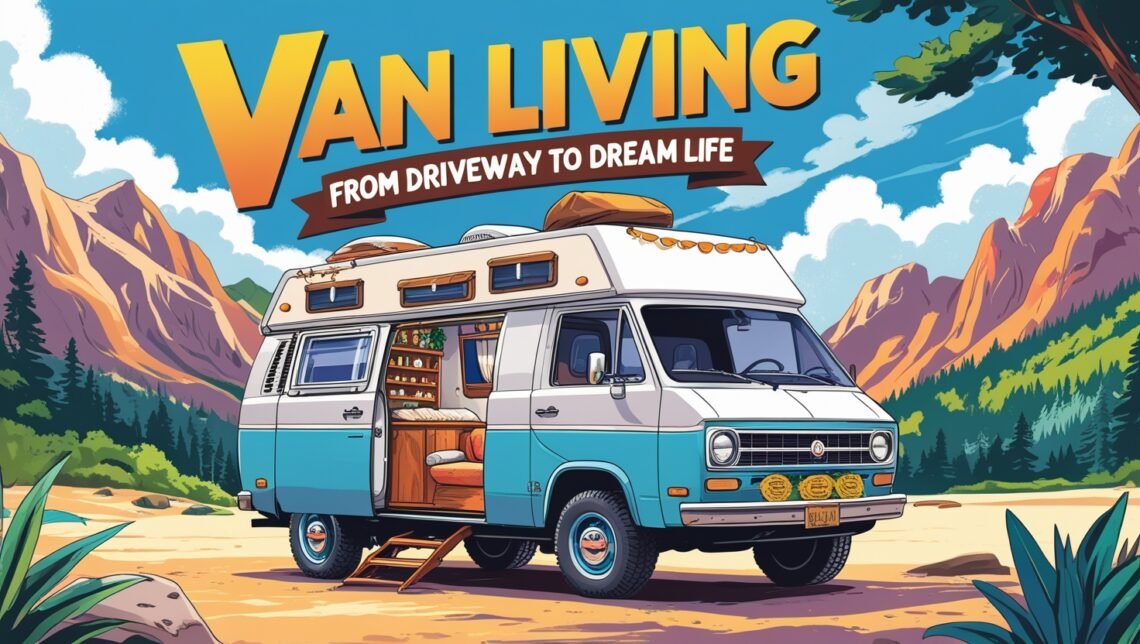
Dreaming of a life on the road? Van living is taking the world by storm. It offers freedom, affordability, and a chance to explore new places whenever you want. As more people work remotely and seek simpler lives, van life is becoming a real option for many. Starting in your driveway, you can turn a plain vehicle into your new home and chase the life you’ve always wanted.
Understanding Van Living: An Overview:
What is Van Living?
Van living means turning a van into a mobile home. Some do it part-time for weekend trips, while others live full-time in their vans. It’s about freedom, traveling wherever you want without the hassle of traditional housing. Whether you’re parked at a scenic spot or cruising down highways, van living adapts to your lifestyle choices.
Why More People Are Choosing Van Life:
Why is van life catching on? Many seek lower costs. A van can be cheaper than renting or owning a house. Others crave freedom and adventure. Some want a minimalist life, ditching clutter and excess. Plus, caring for a smaller footprint on the environment appeals to many. In fact, the number of full-time van dwellers doubled between 2019 and 2023, attracting all ages and backgrounds.
Benefits of Van Living:
Living in a van offers many perks:
- Flexibility and adventure: Move when you want, explore new places.
- Cost savings: Save on rent, utilities, and commuting.
- Close connection to nature: Wake up near lakes, mountains, or beaches.
- Simplified living: Focus on what matters, not stuff.
Preparing Your Van: From Driveway to Habitat:
Choosing the Right Van:
Picking the best van for conversion is the first step. Popular options include cargo vans, camper vans, and Sprinter vans. Think about size, bigger vans give more space but are pricier and harder to drive. Budget-friendly models are available, but reliability is key for full-time living. Check maintenance history and fuel efficiency before buying.
Essential Van Conversion Steps:
Converting your van takes planning. Start with a sketch of your layout, where will the bed, kitchen, and storage go? Next, install insulation to keep it cozy. Electrical systems, like solar panels and batteries, give power for lights, phones, and even small appliances. Plumbing (water tanks and sinks) makes cooking and cleaning easier. Ventilation prevents moisture build-up and keeps the air fresh.
You can do it yourself or hire professionals. DIY saves money but takes time and effort. Professional conversions are quicker but cost more.
Legal & Safety Considerations:
Make sure your van is properly registered and insured. Check local laws about where you can park overnight. Safety features such as smoke detectors, fire extinguishers, and secure locks are must-haves. Keep your vehicle well-maintained to avoid breakdowns and legal issues.
Living and Traveling Comfortably in a Van:
Maximizing Small Spaces:
Smart organization makes a big difference. Use vertical storage, under-bed drawers, and multi-purpose furniture. Fold-away tables and nesting cookware save space and boost comfort. Creating a cozy environment keeps your home livable on the road.
Utilities and Power Solutions:
Most van dwellers rely on solar power systems to keep things running. Batteries stored in the van are charged during the day, powering lights and devices at night. Water tanks allow for showers and cooking, with filtration systems ensuring clean drinking water. Good waste management keeps your living space hygienic.
Staying Connected and Safe:
Internet access is vital for remote work. Mobile hotspots or RV park Wi-Fi can keep you online. Before hitting the road, prepare for emergencies by packing first aid kits, tools, and extra supplies. Always inform loved ones about your whereabouts and plan safe places to stay.
From Driveway to Dream Life: Making Van Living Sustainable:
Building a Community and Support Network:
Connecting with others keeps van life fun and safe. Join online forums, social media groups, or local meetups. Share tips, find parking spots, and get inspired. Many cities and towns have van-friendly spots and resources, learning about these makes the journey smoother.
Managing Finances and Budget:
Living in a van can cost less than traditional housing, but plan your budget. Expenses include the van purchase, upgrades, insurance, fuel, and campground fees. Find ways to earn online, remote jobs, freelance gigs, or sell crafts. Keeping finances in check ensures your lifestyle stays sustainable.
Personal Growth and Lifestyle Transformation:
Van life pushes you to learn new skills, like fixing the van, cooking in small spaces, or navigating unknown roads. It often leads to a simpler, more intentional way of living. Overcoming challenges helps build confidence. Plus, many find unexpected happiness and freedom in this life.
Expert Insights and Real-World Examples:
Many experienced van dwellers say preparation is key. “Start small, learn as you go,” recommends Sarah, a full-timer with five years on the road. Mark, who left his cubicle behind, says, “The biggest lesson? Flexibility. Plans change, and that’s okay.” Success stories remind us that transforming a driveway setup into a full-time home is reachable with patience and passion.
Conclusion:
Starting with your driveway as a home base, you can build toward a carefree, flexible van life. It takes planning, community support, and a willingness to adapt. Whether you want weekend adventures or full-time travel, van living offers endless possibilities. Why wait? Begin your van conversion today and take the first step toward your dream life on wheels.
FAQs:
1. What is van living?
Van living means converting a van into a mobile home for part-time or full-time travel and living.
2. Why are more people choosing van life?
People are drawn to van life for lower costs, freedom, minimalism, and eco-friendly living.
3. What do I need to convert a van into a home?
You’ll need insulation, power systems, plumbing, storage, and a basic layout plan.
4. Is van life legal and safe?
Yes, with proper registration, insurance, parking awareness, and safety gear like smoke detectors.
5. How do van lifers stay connected online?
Most use mobile hotspots, RV park Wi-Fi, or data plans to work and stay in touch.
6. Can I live sustainably and affordably in a van?
Yes—budgeting, solar power, remote work, and smart spending make van life sustainable and cost-effective.