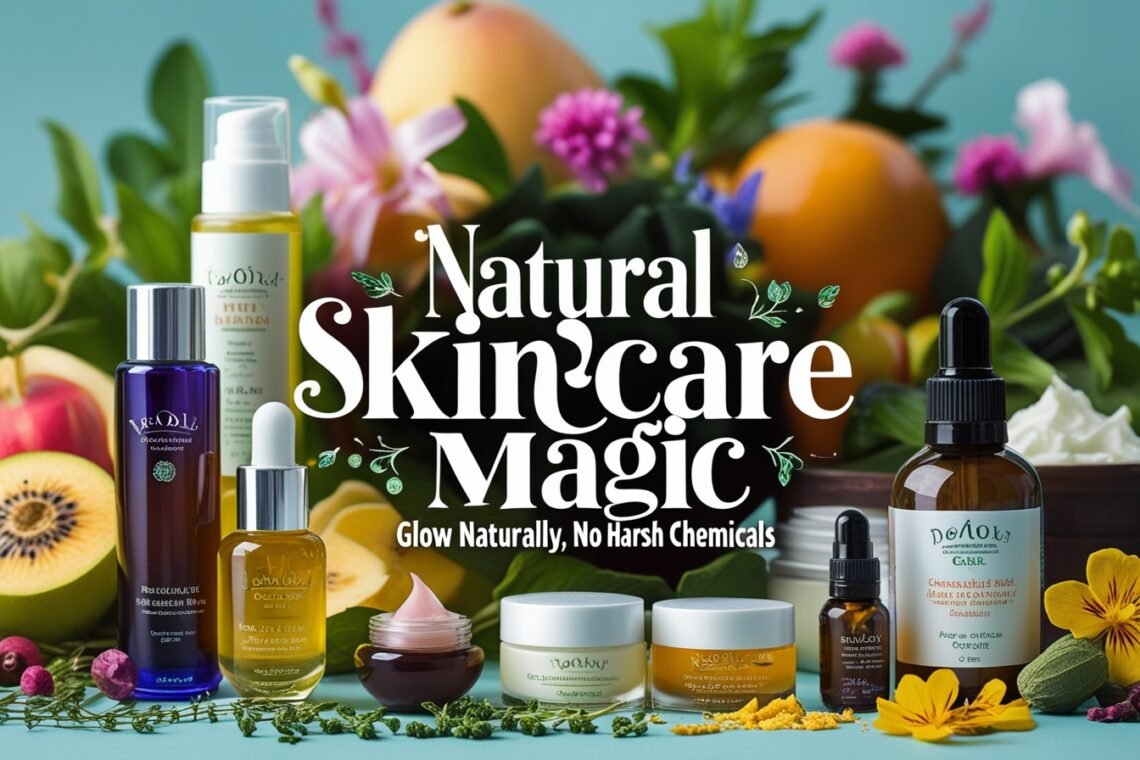
In recent years, natural skincare has become a hot topic. More people want products made from nature, not chemicals. Many are worried about the long-term effects of synthetic ingredients. Choosing safer, natural options helps protect your skin and your health. Natural skincare routines are gentle, eco-friendly, and backed by science. They promise to leave your skin glowing with healthy radiance.
Why Choose Natural Skincare?
Increasing Awareness of Chemical Ingredients:
Many everyday skincare products contain harmful chemicals like parabens, sulfates, and phthalates. These ingredients can cause skin irritation, allergies, or even disrupt hormones. Over time, exposure to such toxins can affect your overall well-being. Consumers are now more aware of what they put on their skin and choose cleaner, safer options.
Benefits of Going Natural:
Switching to natural skincare means fewer irritants and better skin health. You’re giving your skin what it needs, not hidden chemicals. Long-term use can lead to clearer, more radiant skin. Plus, many natural brands are eco-conscious and cruelty-free, helping protect the planet and animals.
Scientific Evidence Supporting Natural Ingredients:
Studies show ingredients like aloe vera, tea tree oil, and chamomile work wonders for skin. Aloe soothes burns and moisturizes deeply, while tea tree fights bacteria. Experts agree that natural compounds can be just as effective as synthetic ones. In some cases, they work better with fewer side effects.
Key Ingredients in Natural Skincare:
Botanical Extracts and Plant-Based Oils:
Common natural oils like jojoba, argan, and rosehip deliver essential nutrients. Jojoba is great for balancing oil production. Argan keeps skin soft and fights signs of aging. Rosehip is packed with antioxidants, helping repair skin damage. These oils hydrate, heal, and reduce wrinkles naturally.
Herbal Infusions and Extracts:
Herbs like chamomile, green tea, and calendula calm irritated skin. Chamomile reduces redness and soothes sensitive skin. Green tea is loaded with antioxidants that protect against environmental damage. Calendula speeds up the healing of cuts and reduces inflammation.
Natural Preservatives and Additives:
Natural preservatives keep skincare products fresh. Vitamin E and rosemary extract are popular choices. They fight free radicals and extend shelf life without irritating your skin. This helps keep your natural products safe and effective.
Tips for Building an Effective Natural Skincare Routine:
Identifying Your Skin Type:
Is your skin oily, dry, sensitive, or a mix? Knowing your skin type helps you pick the right natural products. For oily skin, look for lighter, oil-free formulas. Dry skin needs extra hydration. Sensitive skin benefits from fragrance-free, simple options. Test new products gradually to see how your skin reacts.
Essential Natural Skincare Products:
Start with gentle cleansers, natural toners, and moisturizers suited to your skin. Always check ingredient lists for authenticity. Sunscreens based on mineral filters like zinc oxide protect without harsh chemicals. Look for brands transparent with their ingredients.
DIY Natural Skincare Recipes:
Making your own skincare can be easy and fun. Try a honey and oatmeal mask to soothe your skin. Mix sugar and coconut oil for a gentle scrub. Use aloe vera gel for immediate relief from irritation. Always choose organic, food-grade ingredients for best results.
Tips for Transitioning to Natural Products:
Switch slowly to avoid a breakout or irritation. Replace one product at a time. Watch how your skin responds, then add more natural options. Staying patient ensures your skin adjusts smoothly.
Avoiding Common Pitfalls:
Beware of fake natural claims, look for trusted labels and certifications. Read ingredient lists carefully. Avoid products with confusing or long chemical names. Trust brands that openly share their ingredient sources and testing methods.
The Science Behind Natural Skincare Efficacy:
How Natural Ingredients Work on the Skin:
Plant-based ingredients deliver antioxidants, calming compounds, and antimicrobial agents. These work together to repair, protect, and soothe your skin. When combined, they create a powerful, natural defense system against aging and damage.
Natural vs. Synthetic: What Does the Research Say?
Research shows natural ingredients are often safer and just as effective as synthetic ones. They tend to cause fewer allergies and sensitivities. While synthetic chemicals may produce quick results, natural options support healthier skin with less risk.
Myths and Facts About Natural Skincare:
People think “natural” always means gentle, but some plants can cause allergies. Also, not all natural products are highly effective, quality matters. Expect real results rather than overnight miracles. Natural skincare is about consistency and patience.
Real-World Examples of Successful Natural Skincare Brands:
Leading Brands Known for Natural, Chemical-Free Products:
Brands like Herbivore, Tata Harper, and RMS Beauty put transparency first. They use high-quality, organic ingredients. Their products highlight safety, potency, and environmentally friendly practices. What makes them stand out? Real ingredient lists and no shortcuts.
Consumer Testimonials and Case Studies:
Many users report clearer, softer, more vibrant skin after switching. Some share stories of acne clearing up or sensitive skin calming down. Results vary but are often noticeable within weeks. Natural routines can really transform your skin over time.
How to Identify Genuine Natural Skincare Products:
Check labels for certifications like USDA Organic or COSMOS. Look for clear ingredient lists. Avoid products with vague phrases like “botanical extract” without specifics. Trust brands known for transparency and eco-friendly values.
Conclusion:
Switching to natural skincare is a powerful move toward healthier, more radiant skin. Embracing plant-based ingredients and avoiding harsh chemicals can deliver real results. Start small, try new products carefully, and always read labels. Listen to your skin and choose ingredients you understand. Making this change isn’t just good for your skin, it’s good for the planet. Glow naturally and enjoy the magic of true, safe skincare.
FAQs:
1. What is natural skincare?
It uses plant-based, chemical-free ingredients to nourish and protect the skin.
2. Why should I switch to natural skincare?
It’s safer, gentler, eco-friendly, and often more effective long-term.
3. Are natural ingredients really backed by science?
Yes, studies support the benefits of aloe vera, tea tree oil, chamomile, and more.
4. How do I start a natural skincare routine?
Know your skin type, choose clean products, and switch slowly.
5. Can I make natural skincare at home?
Yes, with ingredients like honey, aloe, and oatmeal for simple DIY recipes.
6. How do I know if a product is truly natural?
Look for certifications, full ingredient lists, and transparent labeling.